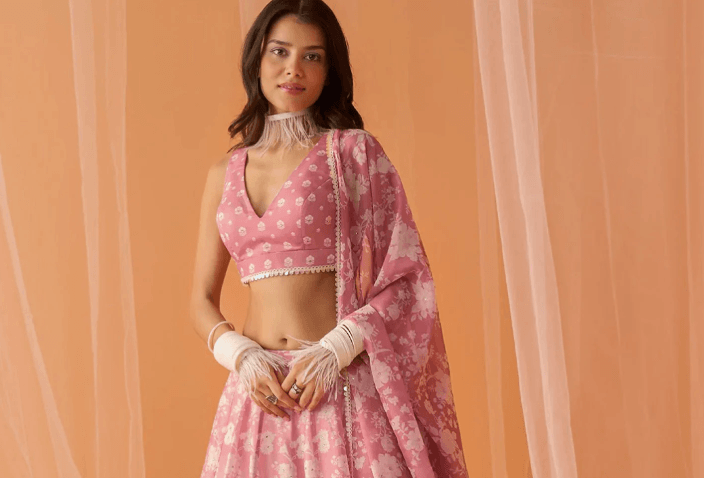
Clothing functions as a record of shared histories and social belonging. Textures, patterns, and silhouettes encode lineage, neighborhood ties, and collective memory. Colors and fabrics signal labor, belief, and status, while symbols speak across time. Garments move with people, translating migration, negotiation, and power into daily dress. In this overlap of modernity and tradition, attire becomes a visible map of identity and agency—inviting closer attention to what is worn as social meaning, and what remains unsaid.
How Clothing Signals Cultural Identity
Clothing signals cultural identity by encoding shared histories, values, and social belonging through visible textures, patterns, and silhouettes. In fieldnotes, researchers observe how garments mark lineage, neighborhood ties, and collective memory, while observers interpret status and mobility. The discussion highlights regional fashion ethics and textile commodification, noting how markets shape choices without erasing local meaning amid global exchange.
The Colors, Fabrics, and Symbolism We Wear
The colors, fabrics, and symbolic meanings embedded in daily dress reveal how communities negotiate memory, status, and belief. In field observations, researchers note color psychology shaping mood, status signals, and ritual affinity, while fabric symbolism communicates labor, lineage, and care. Dress choices index place within social networks, evoking memory while enabling individual expression within collective norms.
Garments as Migrations and Power Dynamics
Garments travel beyond personal adornment to function as vehicles of movement and indicators of power within social landscapes.
In field-like observation, researchers trace how garment migration traces routes between communities, migrants, and institutions, revealing negotiation, exclusion, and alliance.
The fabric maps power dynamics, where attire signals status, border crossing, and negotiated belonging, shaping identities through borrowed, sustained, and resisted styles.
Modernity, Tradition, and Everyday Style Across Cultures
Across cultures, everyday style emerges at the intersection of rapid modernity and enduring tradition, where ordinary attire becomes a site for negotiating change without erasing lineage. This ethnographic glance traces how wardrobes translate social memory into flexible forms, signaling modernity vs tradition while preserving rooted meanings. In diverse settings, everyday style across cultures reveals agency, adaptation, and shared imagination shaping visible identity.
Frequently Asked Questions
How Do Regional Climate and Geography Shape Clothing Meanings?
Regional weather and landscape symbolism shape clothing meanings by guiding function, symbolism, and aesthetics; garments become weather-adapted markers of identity, while landscapes imprint patterns and textures, revealing how communities interpret climate, space, and freedom through attire.
What Role Do Gender Norms Play in Traditional Dress?
Gender norms shape traditional dress by encoding expectations within communities, yet diasporic reinventing and fashion icons complicate dress codes; regional climate and geography influence attire, while archival methods preserve native attire and clothing preservation practices for future study.
How Is Clothing Archived or Preserved in Cultures?
Clothing is archived through community protocols and institutional archives, where events, ownership, and materials are documented; practices emphasize communal memory. Archive preservation and textile conservation sustain fragile garments, enabling ongoing interpretation while respecting wearer agency and cultural integrity.
See also: Data Visualization Techniques
Do Diasporic Communities Reinvent Native Attire?
Diasporic attire often undergoes reinvention traditions as communities adapt native dress to new spaces, blending symbolism with contemporary forms. These processes reflect contextual negotiations, where freedom-minded audiences witness evolving identities without erasing ancestral roots or historical memory.
How Do Fashion Icons Influence Cultural Dress Codes?
Fashion icons shape dress codes through visible signifiers and aspirational cues; their iconography reframes style boundaries. Celebrity influence circulates ethnographically, rewriting norms, exchanging authority between creators and publics, enabling individual experimentation while anchoring trends in collective memory and identity.
Conclusion
Clothing functions as a moving archive, recording lineage, labor, and belonging in every stitch. Colors carry memories of place and power, fabrics whisper histories of craft and constraint, and silhouettes mark both ascent and alignment within social networks. Garments travel with migrants as portable maps of identity, negotiating space between tradition and modernity. In daily dress, communities translate memory into flexible wardrobes that speak across cultures, a visible ethnography of shared humanity—an endlessly unfolding tapestry that outlasts single lifetimes. hyperbole: wardrobes become galaxies of meaning.