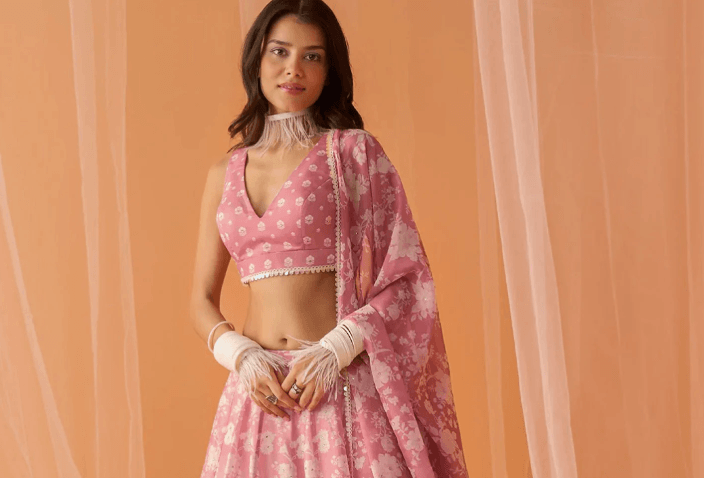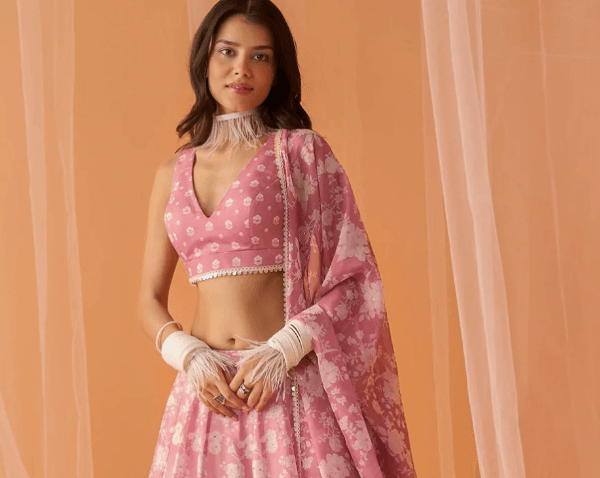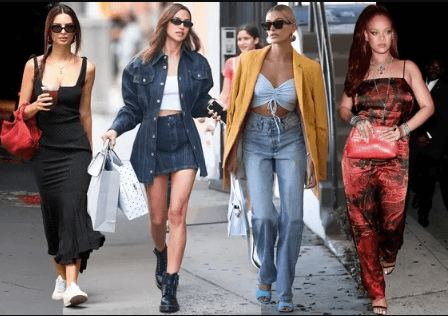
Global fashion today signals a dialogue among cultures, not a collection of isolated trends. Designers remix folkloric motifs and artisanal techniques, translating them into contemporary silhouettes and materials. This cross-cultural exchange raises questions about representation, ethics, and sustainability within interdependent supply chains. The narratives embedded in color, texture, and form become benchmarks for identity and power on global runways. The stakes invite deeper scrutiny of how collaboration reshapes both craft and commerce.
How Global Cultures Shape Modern Fashion Trends
Global cultures continually recalibrate fashion by translating distinct aesthetics, materials, and rituals into contemporary wardrobes, with designers drawing on folkloric motifs, artisanal techniques, and hybridized silhouettes from diverse regions. In this framework, cultural hybridity emerges as an analytic category, while global symbolism situates garments within transnational narratives; trends become evidence of interconnected economies, shared meanings, and interdisciplinary dialogue guiding stylistic evolution and contextual critique.
Traditions Reimagined: Craft Techniques in Contemporary Design
By examining how traditional craft methods are repurposed within contemporary practice, this analysis situates artisanal knowledge at the center of design innovation rather than as ornamental heritage.
The discussion assesses tradition revival dynamics across ateliers, studios, and digital studios, highlighting technique fusion as designers hybridize motifs, materials, and processes. Contextual, interdisciplinary insights reveal emergent economies of craft within global fashion ecosystems.
Identity, Representation, and Color Narratives on Runways
Identity, representation, and color narratives on runways illuminate how fashion diffuses social meanings through visual language and material choice.
The analysis situates garments within global discourse, revealing how designers negotiate identity representation, archive memory, and contemporary identity politics.
Color narratives modulate perception, signaling hybridity and boundary-making.
Interdisciplinary lenses expose power dynamics, audience reception, and the ethics of representation in a freely interpretive fashion ecosystem.
Navigating Exchange: Ethics, Collaboration, and Respect in Fashion
In the wake of analyzing how color narratives and representation shape attribution on runways, the discussion turns to how fashion sustains its networks through exchange, collaboration, and ethical considerations. The analysis examines ethics in collaborations, respect for cultural origins, and their place within modern fashion discourse, highlighting governance, reciprocity, and transparent credit to communities while pursuing innovative, cross-cultural design without exploitation.
Frequently Asked Questions
How Do Ethnic Textiles Influence Mainstream Streetwear Today?
Ethnic textiles shape streetwear evolution by introducing texture-driven narratives, signaling cultural exchange while prompting reinterpretations of origins. They influence material palettes, craftsmanship standards, and accessibility debates, fostering interdisciplinary dialogue about authenticity, appropriation, and creative freedom within mainstream fashion.
What Role Do Immigrant Designers Play in Global Runways?
Immigrant designers shape global runways by translating regional ecosystems into collection concepts, blending ethnic textiles and traditional craftsmanship with mainstream streetwear, influencing fashion weeks amid fast fashion pressures and language storytelling across diverse, interdisciplinary contexts.
Do Fashion Weeks Accurately Represent Regional Fashion Ecosystems?
Runway versus streetwear reveals a mismatch: fashion weeks often underrepresent regional textile heritage, reducing ecosystems to showcase schedules. They offer analytical glimpses, yet rarely map lived, diverse practice across locales, missing nuanced interdisciplinary rhythms shaping global style freedom.
How Do Language and Storytelling Shape Collection Concepts?
Language storytelling shapes collection concepts by framing narratives that guide materials, silhouettes, and aesthetics; this influence emerges analytically across disciplines, revealing how language structures audience interpretation, branding, and thematic coherence within contemporary fashion ecosystems.
See also: Data Visualization Techniques
Can Fast Fashion Sustainably Honor Traditional Craftsmanship?
Fast fashion can pursue sustainable practice by integrating transparent supply chains, fair labor, and scalable craft revival. Yet true stewardship requires long-term partnerships with artisans, balancing efficiency with fidelity to sustainability aesthetics and protecting traditional craft contexts.
Conclusion
In the global dialogue of dress, tradition and innovation stand in deliberate opposition, yet share a single thread of meaning. Craft techniques, once local and sacred, are reframed as contemporary vocabulary; silhouettes migrate as identities recalibrate. Runways spotlight color and representation, while supply chains demand ethics and reciprocity. Juxtaposition reveals a paradox: hybridity fuels novelty, but reverence preserves integrity. When cultures converse through fabric, fashion becomes an interdisciplinary map of power, exchange, and mutual responsibility.