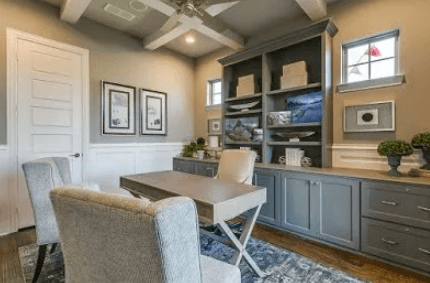
Effective home office organization blends quick wins with scalable systems. Start by removing duplicates and clutter from high-traffic zones, then adopt multi-purpose, modular furniture and vertical storage to keep surfaces clear. Cable management should be simple and safe, with a practical powering plan. Create a layout that prioritizes focus and breaks, using calm colors and adjustable lighting. The approach is doable, but the next steps reveal how to sustain momentum without losing momentum.
How to Declutter: Quick Wins That Stick
Decluttering quickly hinges on targeting high-impact areas first. The approach centers on a calm decluttering mindset, selecting tasks with tangible, fast results.
Quick win tactics prioritize file folders, surfaces, and essential gear, removing duplicates and nonessential items.
Results build momentum, reducing decision fatigue and fostering freedom. Procedures are repeatable, measurable, and simple, enabling consistent progress without overwhelming routines.
Smart Storage Hacks for Small Spaces
Smart storage hacks for small spaces focus on maximizing function without resizing the room. The approach relies on multi-purpose furniture, vertical shelving, and hidden compartments to preserve open areas. Priorities include easy access, modularity, and scalable systems that adapt as needs shift. Techniques emphasize smart storage and space optimization, enabling organized work zones without crowding, distractions, or clutter. Freedom through efficiency, clarity, and practical design.
Cable Management and Tech Usability Made Simple
Cable management is the practical follow‑through of organized workspaces, turning a tidy desk into a reliable hub for devices and data. Efficient cable routing reduces clutter and enhances airflow, while USB docking setups streamline connection points. Emphasize power strip safety with proper spacing and surge protection. Prioritize monitor ergonomics for comfortable viewing and sustained productivity. Freedom grows from organized simplicity.
Mood-Boosting Layouts for Focus and Comfort
Mood-boosting layouts for focus and comfort prioritize subtle environmental cues that support attention and well-being. Spaces center on intentional placement, reducing visual clutter while encouraging movement and breaks. Color psychology informs furniture and decor choices to sustain calm and motivation. Ambient lighting adjusts warmth and intensity, enhancing concentration without strain, supporting freedom to work efficiently and comfortably.
Frequently Asked Questions
How Can I Create a Long-Term Paper-Free Workflow?
A practical approach is to create long term paper free workflow by consolidating scanned documents, enforcing consistent naming, and automating backups; sustainable digital file management relies on metadata, version control, and periodic audits to maintain uncluttered, freedom-focused efficiency.
What Budget-Friendly Decor Boosts Productivity Instantly?
Instantly, budget boosts transform space into focus: tiny decor ideas unleash vast productivity gains, practically miraculous yet affordable. A few simple touches—color, plants, lighting—work wonders, empowering freedom seekers to sustain momentum without breaking the bank.
See also: Data Visualization Techniques
How Do I Tailor a Home Office for Remote Collaboration?
The office is configured for tailored collaboration, prioritizing flexible layouts and clear sightlines. It leverages remote collaboration tools, supports spontaneous engagement, and minimizes noise. It promotes freedom through adaptable spaces, accessible tech, and streamlined, distraction-free workflows.
See also: Data Visualization Techniques
Which Five Items Are Essential for Ergonomic Seating at Home?
Five essential items for ergonomic seating at home are: adjustable chair, lumbar support, seat cushion, footrest, and monitor height alignment. A stat shows 78% improves comfort with proper chair setup, reinforcing practical, freedom-minded ergonomics for essential items.
How Can I Incorporate Biophilic Design Without Clutter?
Biophilic design can be achieved with clutter free greenery and biophilic materials that integrate naturally into spaces. It emphasizes simplicity, functional placement, and low-maintenance plants, ensuring freedom from excess while maintaining calming, nature-inspired visuals.
Conclusion
In a sunlit corner, the desk breathes easy—the clutter cleared like a morning fog. A modular shelf stands tall, every file and tool finding its exact nook, cables tucked behind a sleek, safe strip. The room hums with quiet energy: soft light, steady air, and a chair that meets the back’s demand. Focus arrives as if drawn by a calm color palette, while a simple rhythm of breaks and flow keeps productivity effortlessly in reach.